Do you ever have a customer that says "no" right away? The kind of person that rejects your information immediately, without even listening to your presentation? They make decisions without any real data. It's completely dysfunctional — yet it happens to every one of us.
The decisions we make are only as good as the data we use to make them. Customers without good data cannot make a good decision. They won't listen to the data. They don't trust you, so they tune you out. They have the perception of you as untrustworthy, and therefore your words have no meaning. It's hard to move these people with word-tracks designed to sell a product. They simply go off-script. This type of customer can wreck an F&I manager's morning.
What This Customer Actually Needs
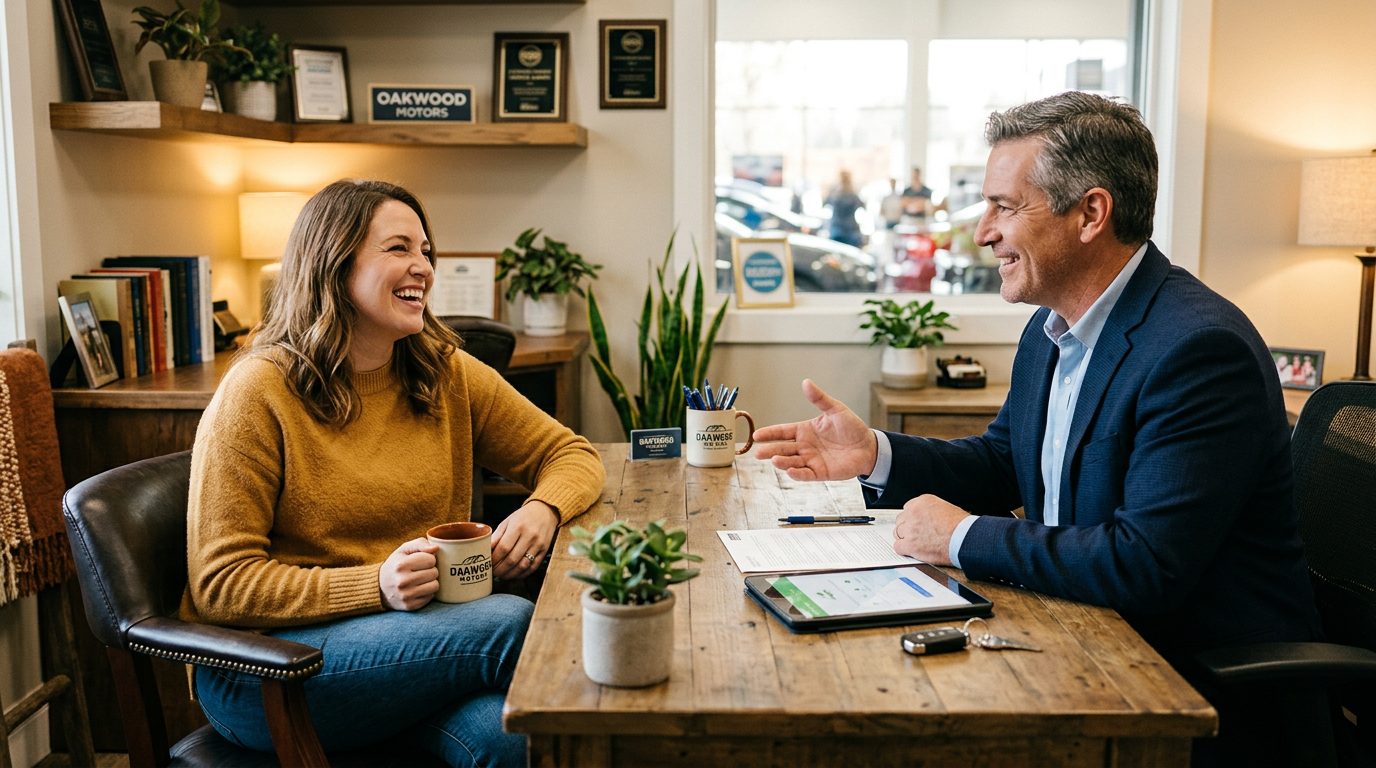
Many times, this customer actually needs your products — but a canned presentation isn't going to get them past their cynicism. They need personal attention. They need to know you're doing this for them, not you. To get past their cynicism, you have to be more focused on them and less focused on selling products. I know that sounds counterintuitive, but it's the only way you're going to communicate with them. You need a dialogue, not a monologue.
The goal is to listen and understand them better — not just to present a menu and overcome an objection. Besides, they'll have another objection. So when does it end? Instead, focus on what's important to them. I try to gather data about their habits. Where do they shop? Someone that usually shops at Walmart gets an entirely different experience than someone who shops at Macy's. Which kind of customer do I have? Maybe it turns out they don't care deeply about the overall experience and their concern is only price — but that's rare and getting rarer.
Today, lots of people simply won't shop at Walmart for a myriad of reasons, and low pricing alone won't entice them. It's not all about price. It extends to feelings about trust, character, and value. Personally, I do not spend money with people I don't like — and if you look, act, or sound like your only job is selling, I'll say "no deal." Instead, show me your true colors. Forget price for a moment. Forget the bump. Forget your sales quotas and just show me how you can honestly help me have a better experience with this vehicle I'm buying. Then I'll vote with my wallet.
"Remember, you're not just selling products — you're selling an ownership experience."
Who Else Votes with Their Wallet?
Three out of four people who visit Disney become return visitors. Why? Disney isn't the low-price leader. They're just like Apple, Lego, and many other companies that sell experiences rather than price. People already have the data on Disney. It's about the experience — it's about trust, character, and value. The overall perception is that Disney always delivers, and accordingly, people vote with their wallets by paying up for the better experience.
The same dynamic should occur when someone is buying a new vehicle. Our focus needs to be on helping customers get the best experience available. Yes, the best experience always costs more. But it's worth it for two big reasons: economics and emotions.
Emotionally: If your focus is only on the "one bad day in the shop" type of manipulation to close the sale today, chances are they'll tune you out. Customers are turned off by people who only use scare tactics. You need balance — you can talk about scary things when the threat is real, but you must balance your discussion equally with benefits. The most profound benefit I've experienced is peace of mind and the avoidance of stress. Go there. That's the conversation worth having.
Try this: Imagine yourself living check to check. You just came out of the grocery store and suddenly your car isn't starting. You just spent a huge amount on groceries, and they're going to spoil fast. You must arrange a tow truck and decide which mechanic you'll trust to tear your car apart. Also, you have no extra money. How do you feel? How will you pay? How will you get to work? If you miss work, how will you pay other bills?
When your customer is in a difficult economic position and you can't communicate with them, both parties lose. You miss your sales goals, and your customer is unprotected against economic catastrophe. Had real communication occurred, they would have bought a VSC and would not be in a downward economic spiral. Instead, they call a tow truck, the tow is covered by roadside, the repair is covered by the VSC, a rental is provided. Peace of mind continues for both of you.
Economically: Three-fourths of Americans live paycheck to paycheck. If you're living check to check, what's easier — coming up with $30 in 30 days or $2,500 right now? Instead of selling a VSC or GAP, focus on helping people secure economic protection. It's more difficult than it sounds. It requires thinking differently. It also challenges your belief systems if you don't genuinely believe in the products you sell.
The Shift That Changes Everything
The F&I manager who walks into a presentation thinking "how do I close this deal" is starting from the wrong place. The one who walks in thinking "how do I understand this person well enough to give them genuinely useful guidance" is starting from a place that almost always produces better outcomes — for the customer, for the dealership, and for themselves.
Remember: you're not just selling products. You're selling an ownership experience. Make it one they'll tell people about for the right reasons — and they'll come back, send their family, and remember you when it matters.